From bayous to brass bands: New Orleans’ long, layered story
As your bus curves past squares, churches, and old sugar warehouses, you’re tracing the city’s many arrivals—Indigenous peoples, French and Spanish colonists, enslaved Africans, free Creoles, and immigrant communities—each leaving marks on the city’s music, food, and architecture.
Table of Contents
Earliest peoples & colonial beginnings
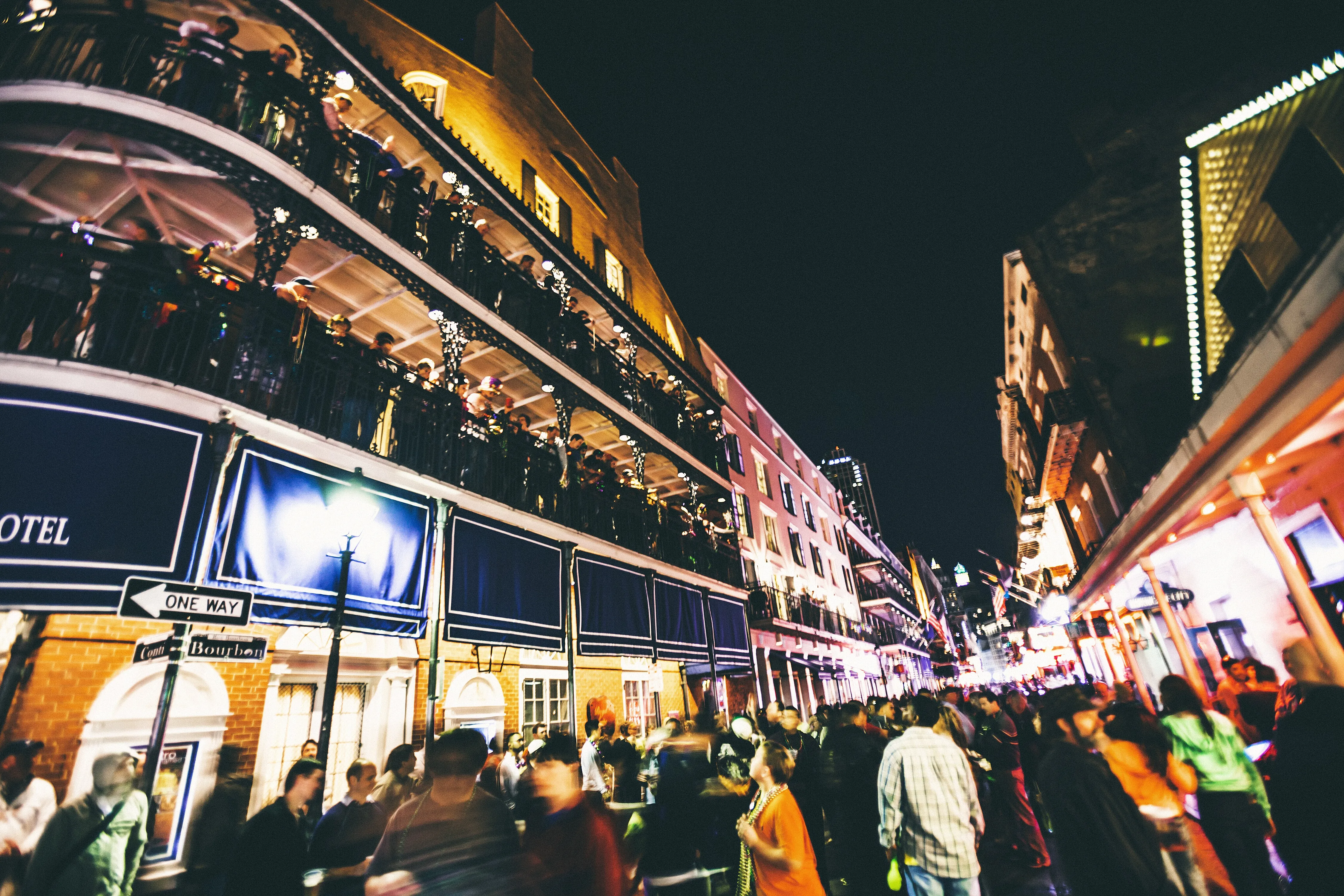
Long before the city was founded in 1718, the lower Mississippi basin was home to Indigenous peoples whose lifeways were shaped by the river and the wetlands. When the French established a trading post at the crescent bend of the Mississippi, they laid out streets that would later be filled by merchants, mariners, and settlers from across the Atlantic. The city’s geography—its levees, bayous, and fertile river plain—always hovered just behind every plan for growth.
Under French then Spanish rule, New Orleans grew as a strategic port and commercial hub. Its colonial plan, centered on plazas and grand façades, created the framework for a city where public life spilled into the streets, markets, and courtyards. Slavery and the sugar economy anchored much of this early wealth, and that reality shaped the architecture, labor systems, and demographics that followed for generations.
The French Quarter: a living museum
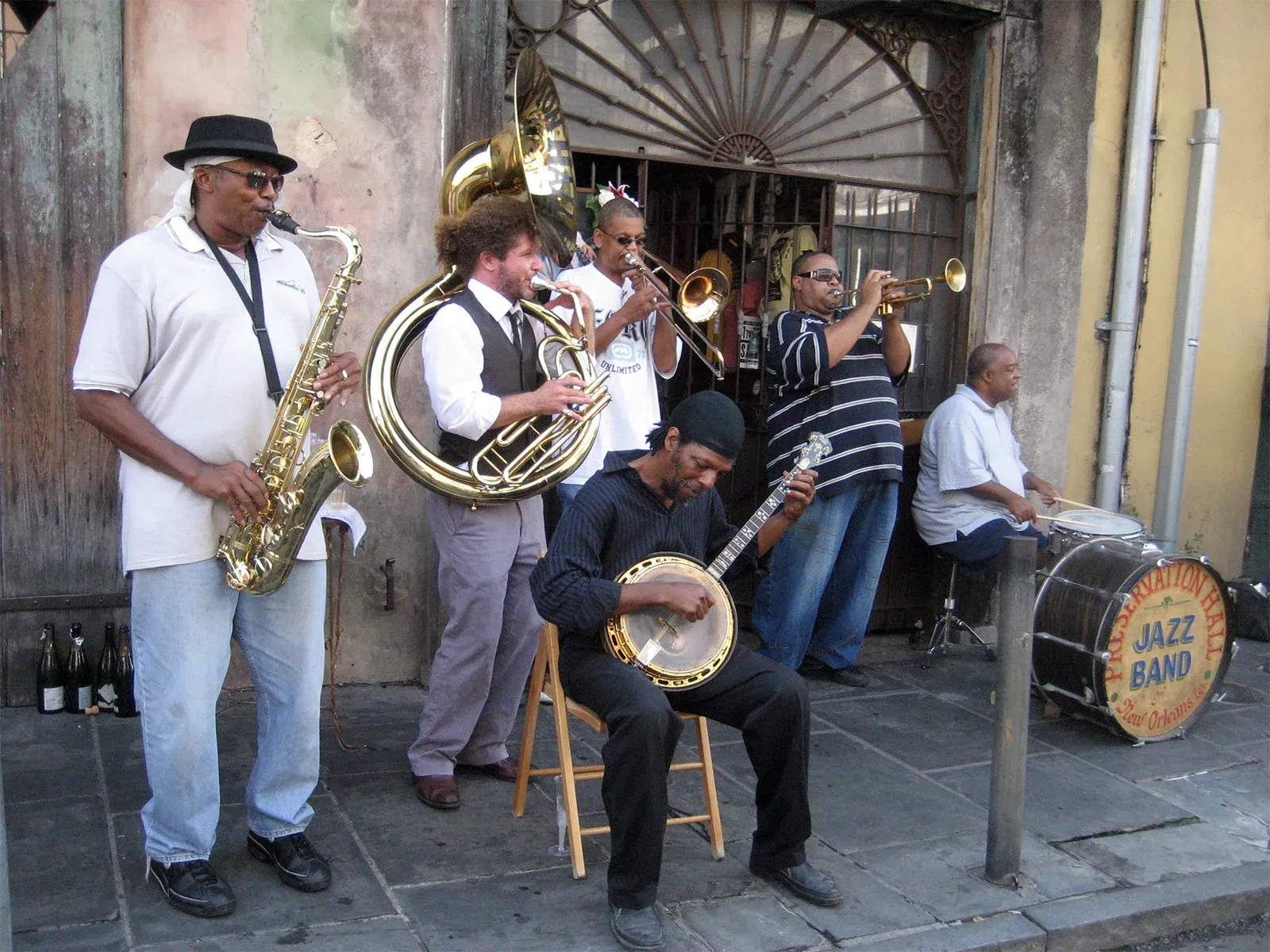
The French Quarter remains the city’s oldest neighborhood and its most photographed: narrow streets, wrought‑iron balconies, hidden courtyards, and churches that have seen centuries of ceremony and protest. From the Mississippi shore inward, the Quarter embodies layers of French, Spanish, Creole, and American influences, all compressed within a few walkable blocks.
Walk here and you’ll encounter music spilling from club doors, street artists drawing portraits outside Jackson Square, and a culinary scene that blends French technique with African, Caribbean, and Southern ingredients. The Quarter’s vitality is not museum‑sterile; it’s a lived, noisy, fragrant place where past and present share the same threshold.
Trade, ports & the river economy
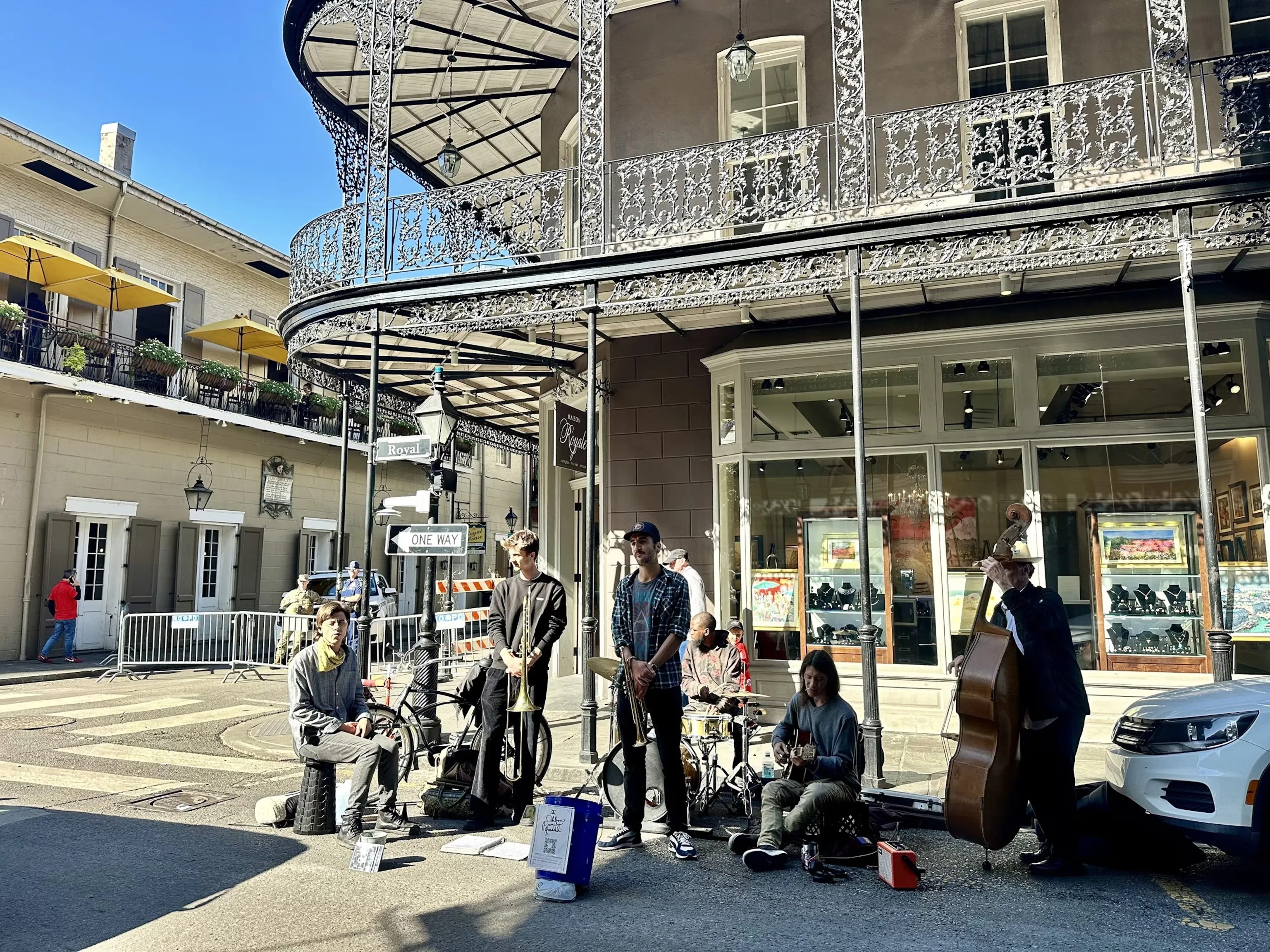
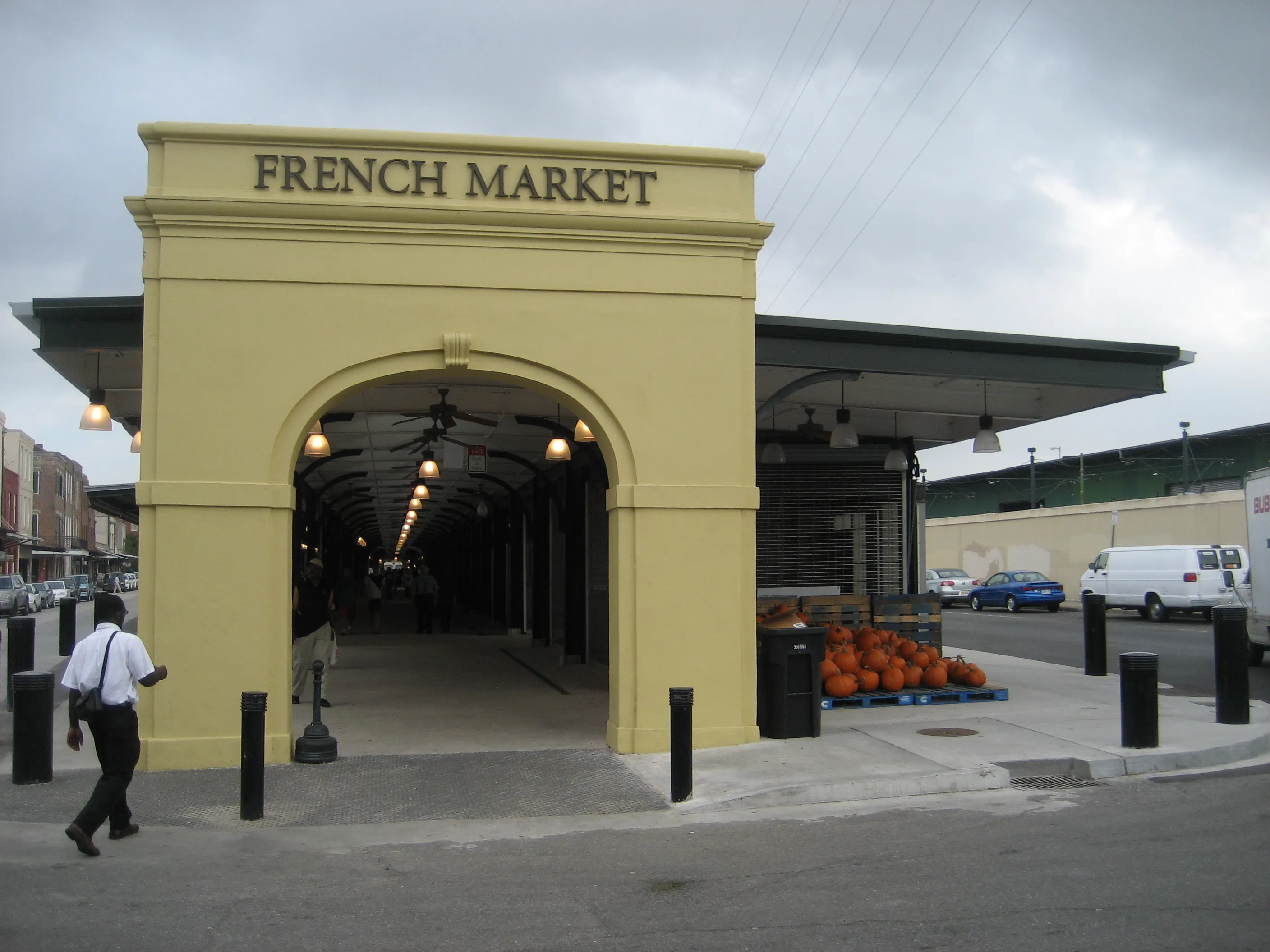
New Orleans’ life has always been bound to the Mississippi. The port once shaped global commodity flows—sugar, cotton, and rice moved through its docks—and shaped neighborhoods where dockworkers, merchants, and shipbuilders lived. The riverfront’s long warehouses are now often repurposed as museums, galleries, and parks, but their bones still recall a century of commerce that helped make the city what it is.
A river cruise, a walk along Woldenberg Park, or time spent at a dockside café gives a tangible sense of how the river shaped migration, economy, and culture here: it brought people, goods, and ideas to New Orleans and sent the city’s music and food traditions out into the world.
Creole culture & the rise of jazz
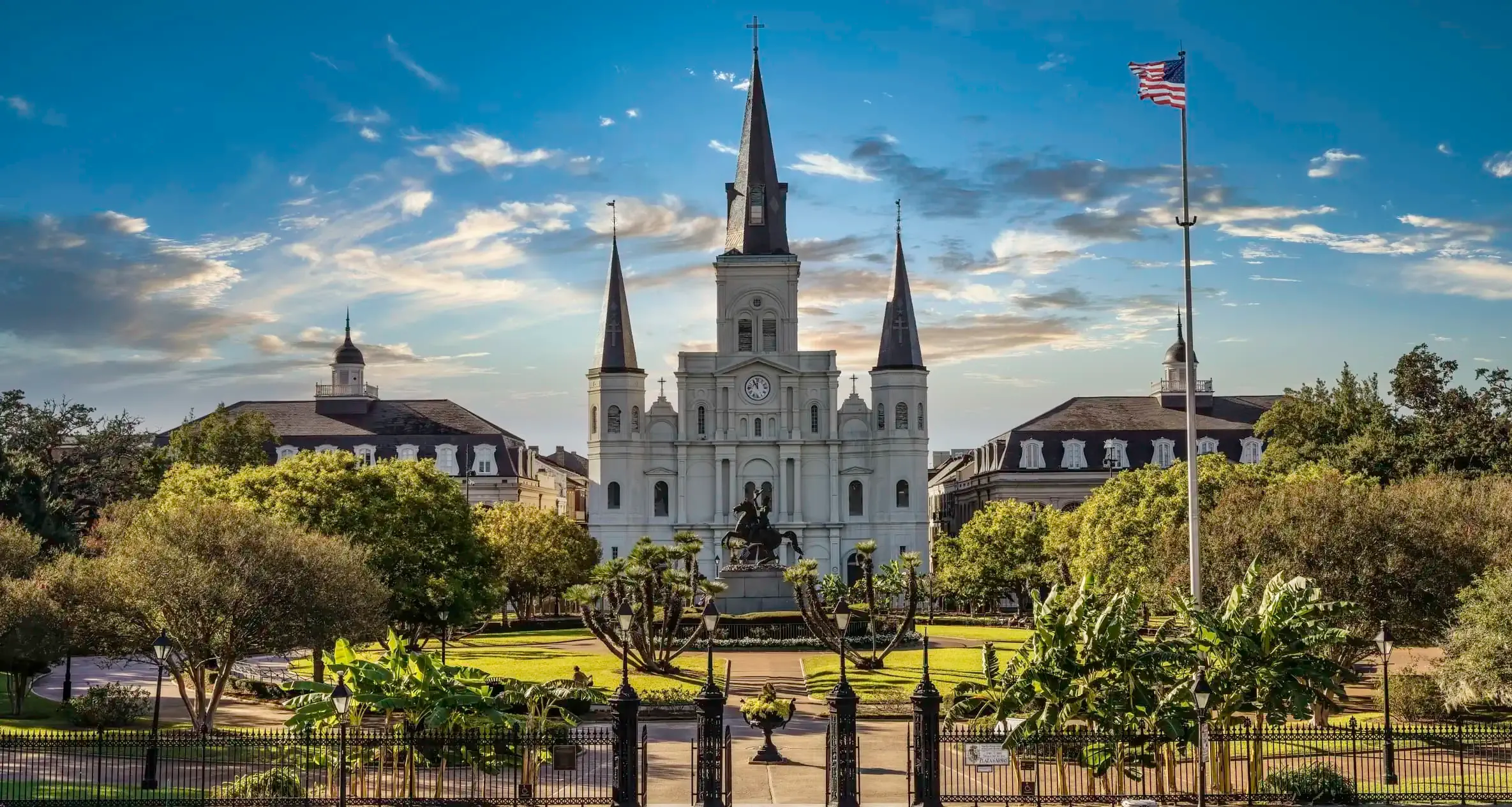
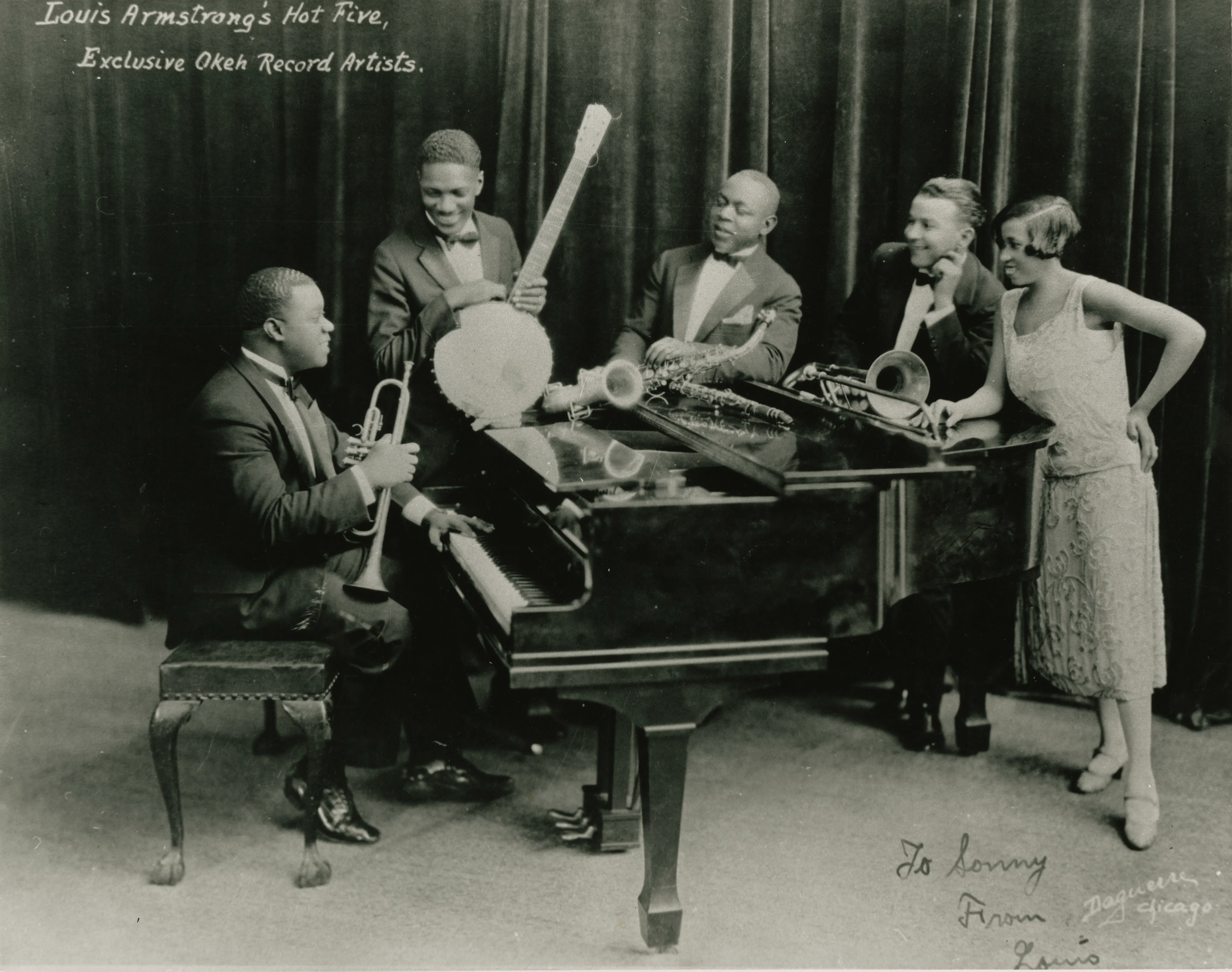
New Orleans’ musical life evolved in social clubs, cafes, and on front porches—an improvisational stew where West African rhythms, European harmonies, Caribbean beats, and African American spirituals mixed to produce blues, ragtime, and ultimately jazz. Musicians like Buddy Bolden, Louis Armstrong, and many others found the city’s streets and courts to be their first stages.
Jazz didn’t appear overnight; it emerged from dance halls, funeral processions (the famous ‘second line’), and the intergenerational exchange in Creole and African American communities. When you hear a trumpet on Frenchmen Street or a brass band on a Sunday, you’re listening to an art form that was invented here and carried outward across the world.
Plantations, migration & resilience
The economy that surrounded New Orleans included plantations, forced labor, and deep inequalities. These painful realities produced social and cultural responses—forms of resistance, creolization, and a vibrant cultural life that communities sustained even under hardship. Migration patterns over the 19th and 20th centuries brought waves of workers, storytellers, and musicians who reshaped neighborhoods and traditions.
Understanding New Orleans fully means acknowledging both its creative glories and the historical injustices entwined with them. Many tours and museums now attempt to present this fuller story, pairing celebration with honest context.
Garden District & Victorian New Orleans
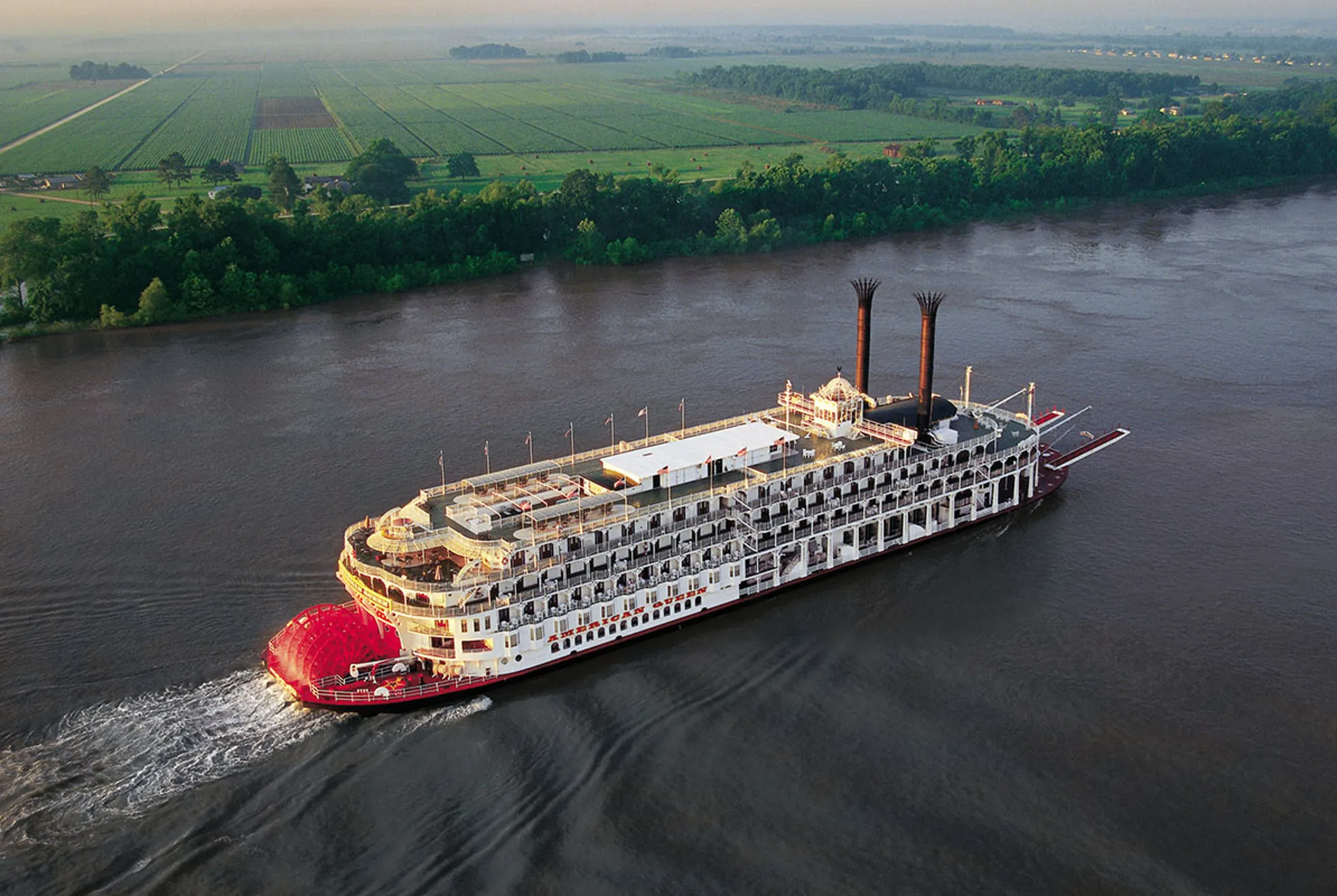
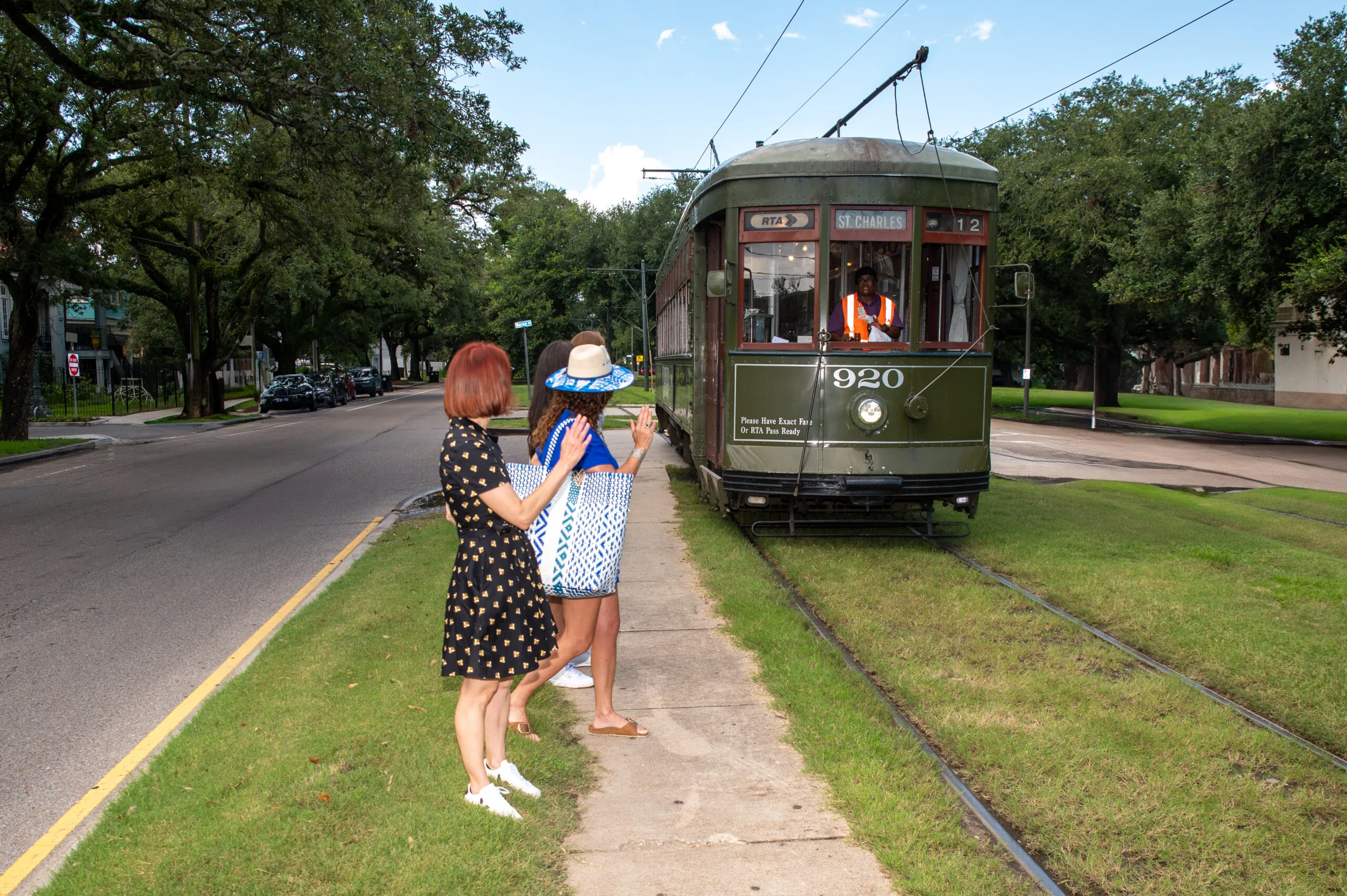
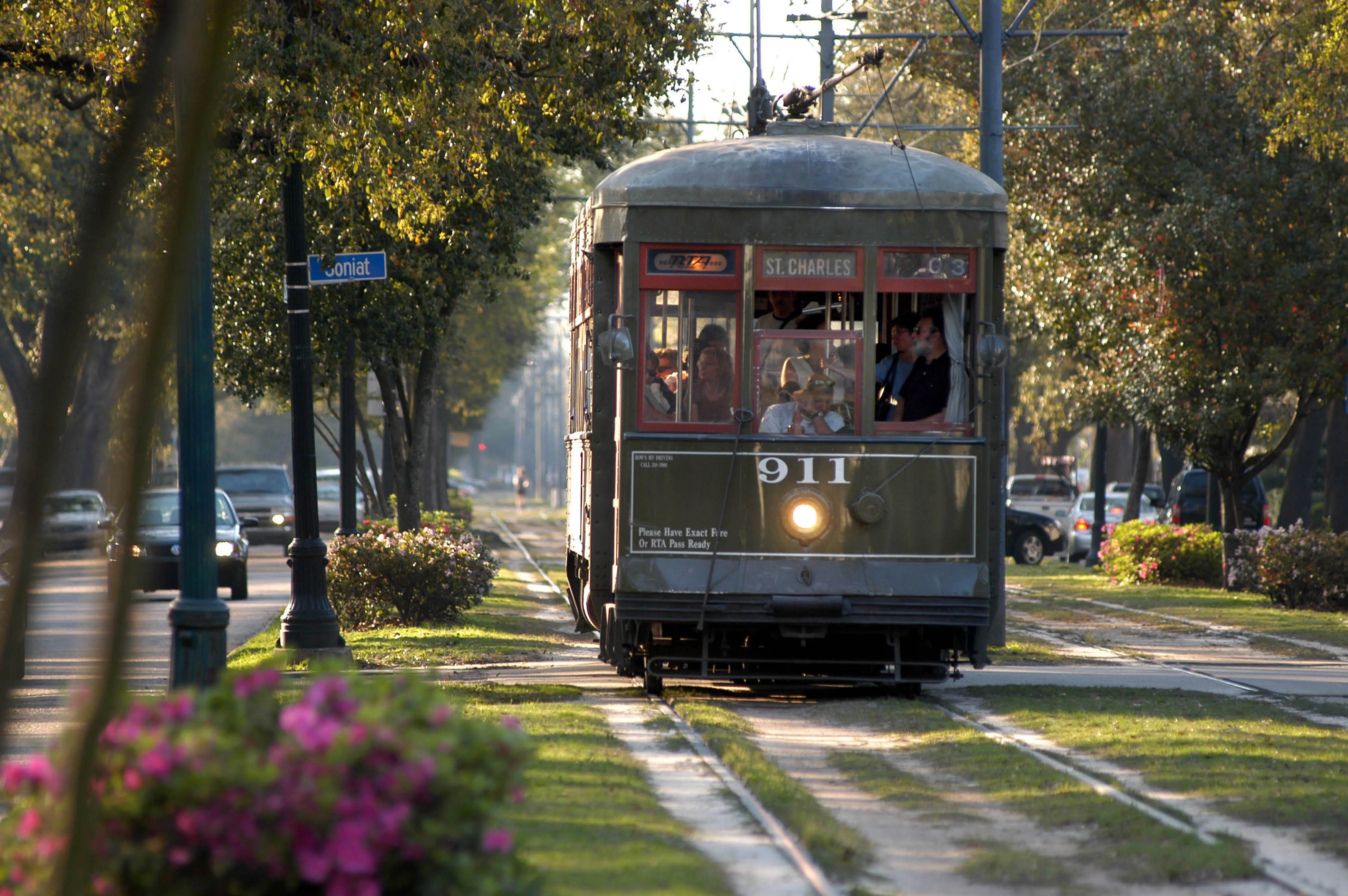
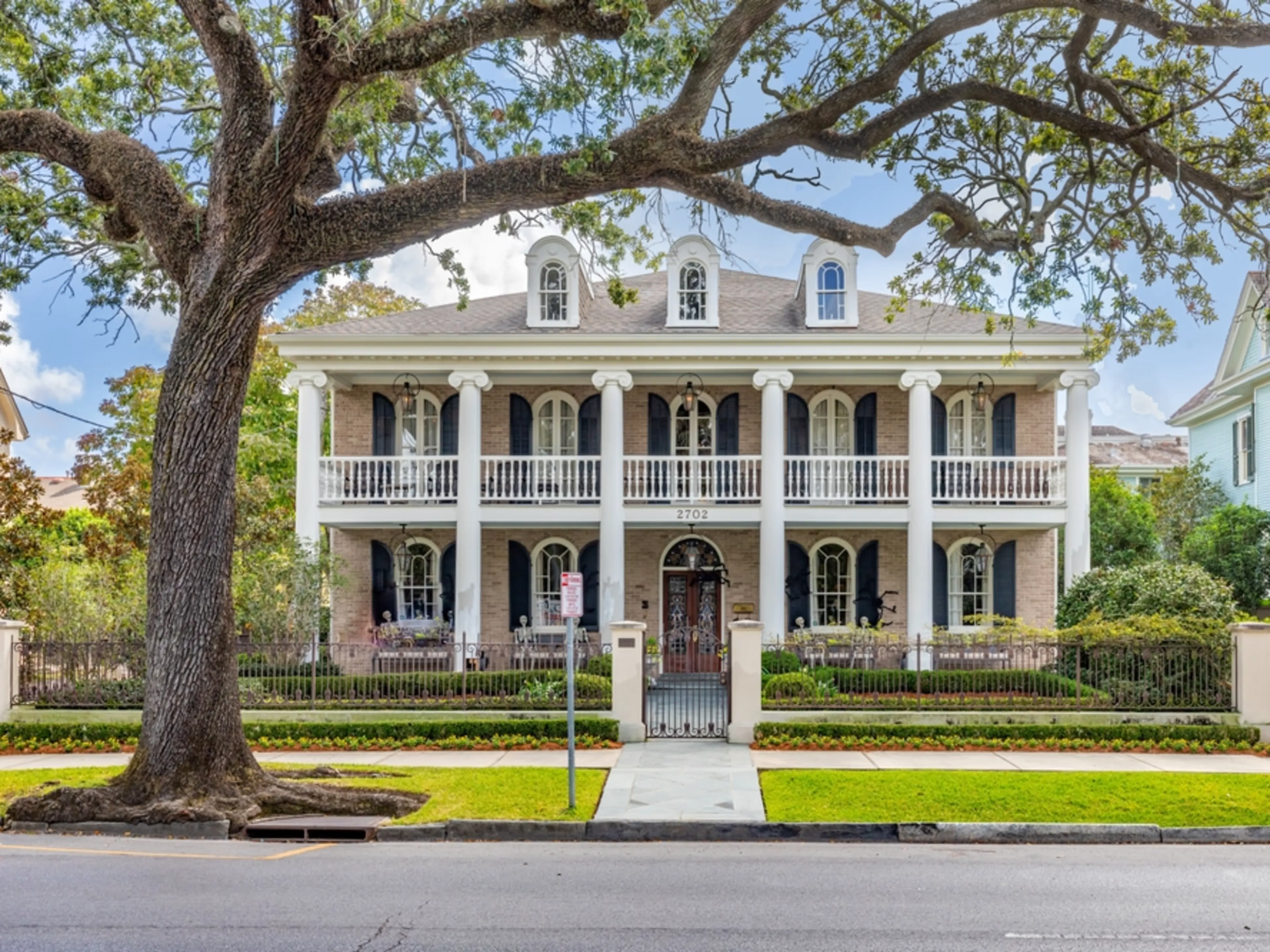
A short ride from the Quarter, the Garden District shows a different side of New Orleans: broad lawns, antebellum and Victorian houses, and a streetcar line that feels like a slow parade through time. The contrast between the Quarter’s dense intimacy and the district’s leafy avenues is a vivid way to see how varied this city’s urban fabric can be.
Here you’ll find quiet cemeteries with above‑ground tombs, polished porches, and neighborhoods where architecture tells stories of wealth, taste, and the social orders that shaped the city.
Parades, processions & public ritual
Public spectacle is woven into New Orleans life: from Mardi Gras floats to brass‑band second lines, the city stages events that are both community rituals and global attractions. Parades change the flow of the streets, animate neighborhoods, and offer a chance to join celebrations that blend religious, cultural, and civic traditions.
If you’re visiting during a festival, expect altered routes and lively crowds; the hop‑on hop‑off bus often adapts its operations to keep passengers moving safely around events.
Neighborhoods shaped by sound
Sound is a city‑scale phenomenon in New Orleans: clubs, churches, parades, and street performers create a layered soundtrack. Neighborhoods like Tremé and the Marigny have their own musical histories, and listening becomes a way to read the city alongside its architecture and foodways.
When you hop off to explore, follow your ears as much as your map—some of the best discoveries are made by turning down a side street and catching an impromptu set.
Foodways: gumbo, po’boys & second lines
New Orleans cuisine is a conversation across cultures: French and Spanish techniques, African ingredients, Native American produce, and later influences from Italy and the Caribbean. Gumbo, jambalaya, muffulettas, and po’boys are expressions of this blended culinary history.
Use the hop‑on hop‑off bus to sample neighborhood specialties—stop for beignets in the Quarter, a late‑night po’boy in the Warehouse District, or a casual shrimp po’boy at a local café after a music set.
Preservation, restoration & modern challenges
New Orleans faces the twin challenges of preserving historic neighborhoods while responding to climate threats, development pressures, and socio‑economic shifts. Restoration efforts and preservation policies strive to keep the city’s character intact while improving resilience to storms and flooding.
As a visitor, supporting local businesses, respecting neighborhoods, and joining locally guided experiences helps ensure tourism benefits the people who live here.
Music venues, museums & living memory
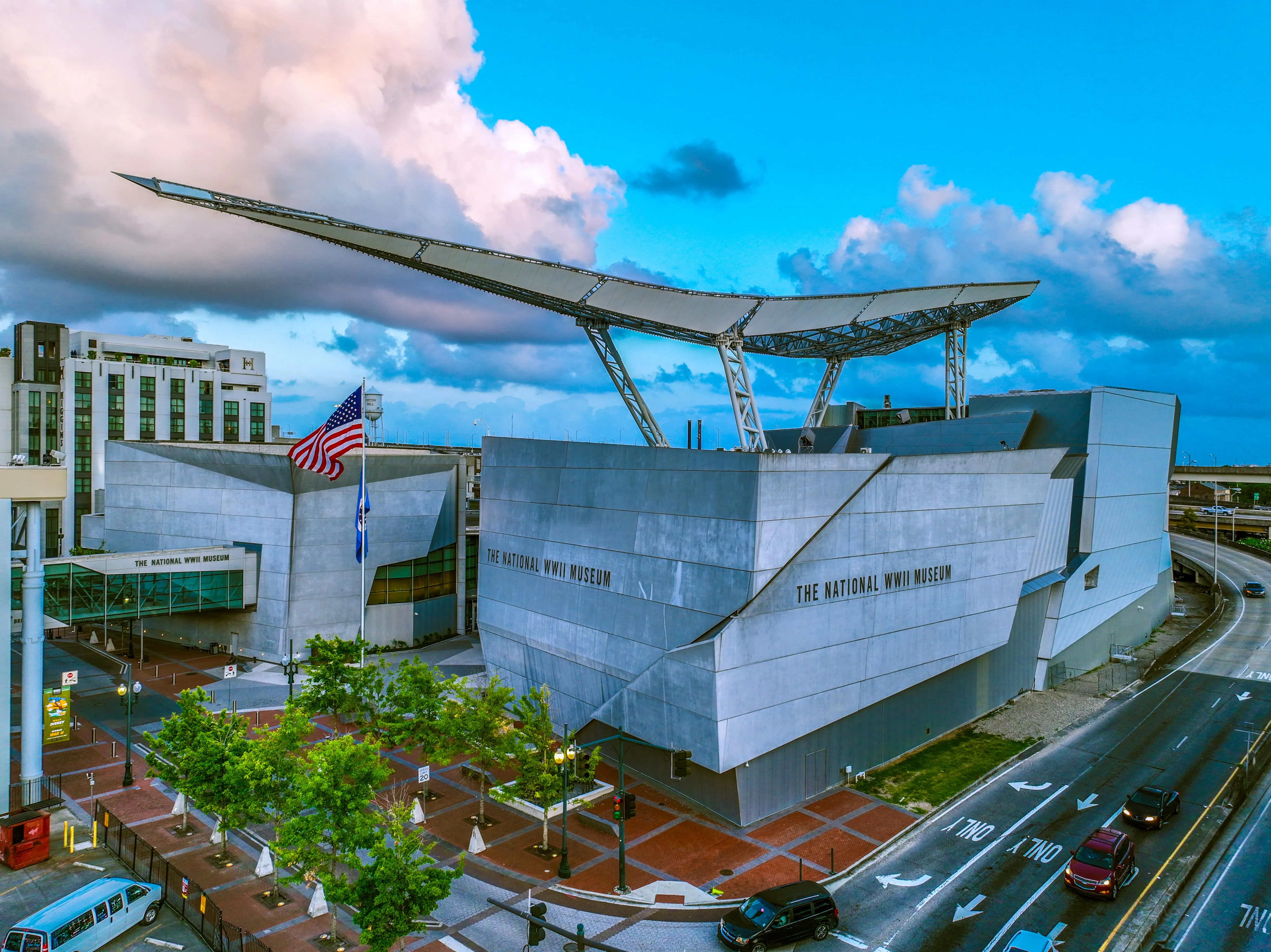
From intimate clubs on Frenchmen Street to the larger institutions like the National WWII Museum, New Orleans balances living culture with curated memory. Museums document important chapters—war, migration, and cultural exchange—while small venues keep the music traditions alive in community settings.
The best visits blend both: an afternoon at a museum and an evening at a neighborhood club, giving you context and experience in one day.
Parks, riverboats & outdoor life
City Park and the riverfront offer open space and shade: green refuges where families picnic, artists sketch, and large live oaks quietly mark the city’s older edges. A riverboat cruise gives a cinematic perspective of New Orleans’ waterfront and the logistical heart of its growth.
These outdoor spaces are great hop‑off points for relaxed exploration, botanic collections, and occasional outdoor concerts.
Why a bus ride tells New Orleans’ story
A simple bus route becomes a narrative thread: it links daily rituals—coffee on a stoop, a brass band’s rehearsal, a chef’s afternoon prep—to grander historical arcs of trade, migration, and creativity. The stops are punctuation marks in a longer story.
By the end of a day hopping on and off, you’ll have a collage of smells, sounds, and scenes that together begin to explain why New Orleans continues to attract storytellers, musicians, and travelers looking for a city that feels alive at street level.
Table of Contents
Earliest peoples & colonial beginnings
Long before the city was founded in 1718, the lower Mississippi basin was home to Indigenous peoples whose lifeways were shaped by the river and the wetlands. When the French established a trading post at the crescent bend of the Mississippi, they laid out streets that would later be filled by merchants, mariners, and settlers from across the Atlantic. The city’s geography—its levees, bayous, and fertile river plain—always hovered just behind every plan for growth.
Under French then Spanish rule, New Orleans grew as a strategic port and commercial hub. Its colonial plan, centered on plazas and grand façades, created the framework for a city where public life spilled into the streets, markets, and courtyards. Slavery and the sugar economy anchored much of this early wealth, and that reality shaped the architecture, labor systems, and demographics that followed for generations.
The French Quarter: a living museum
The French Quarter remains the city’s oldest neighborhood and its most photographed: narrow streets, wrought‑iron balconies, hidden courtyards, and churches that have seen centuries of ceremony and protest. From the Mississippi shore inward, the Quarter embodies layers of French, Spanish, Creole, and American influences, all compressed within a few walkable blocks.
Walk here and you’ll encounter music spilling from club doors, street artists drawing portraits outside Jackson Square, and a culinary scene that blends French technique with African, Caribbean, and Southern ingredients. The Quarter’s vitality is not museum‑sterile; it’s a lived, noisy, fragrant place where past and present share the same threshold.
Trade, ports & the river economy
New Orleans’ life has always been bound to the Mississippi. The port once shaped global commodity flows—sugar, cotton, and rice moved through its docks—and shaped neighborhoods where dockworkers, merchants, and shipbuilders lived. The riverfront’s long warehouses are now often repurposed as museums, galleries, and parks, but their bones still recall a century of commerce that helped make the city what it is.
A river cruise, a walk along Woldenberg Park, or time spent at a dockside café gives a tangible sense of how the river shaped migration, economy, and culture here: it brought people, goods, and ideas to New Orleans and sent the city’s music and food traditions out into the world.
Creole culture & the rise of jazz
New Orleans’ musical life evolved in social clubs, cafes, and on front porches—an improvisational stew where West African rhythms, European harmonies, Caribbean beats, and African American spirituals mixed to produce blues, ragtime, and ultimately jazz. Musicians like Buddy Bolden, Louis Armstrong, and many others found the city’s streets and courts to be their first stages.
Jazz didn’t appear overnight; it emerged from dance halls, funeral processions (the famous ‘second line’), and the intergenerational exchange in Creole and African American communities. When you hear a trumpet on Frenchmen Street or a brass band on a Sunday, you’re listening to an art form that was invented here and carried outward across the world.
Plantations, migration & resilience
The economy that surrounded New Orleans included plantations, forced labor, and deep inequalities. These painful realities produced social and cultural responses—forms of resistance, creolization, and a vibrant cultural life that communities sustained even under hardship. Migration patterns over the 19th and 20th centuries brought waves of workers, storytellers, and musicians who reshaped neighborhoods and traditions.
Understanding New Orleans fully means acknowledging both its creative glories and the historical injustices entwined with them. Many tours and museums now attempt to present this fuller story, pairing celebration with honest context.
Garden District & Victorian New Orleans
A short ride from the Quarter, the Garden District shows a different side of New Orleans: broad lawns, antebellum and Victorian houses, and a streetcar line that feels like a slow parade through time. The contrast between the Quarter’s dense intimacy and the district’s leafy avenues is a vivid way to see how varied this city’s urban fabric can be.
Here you’ll find quiet cemeteries with above‑ground tombs, polished porches, and neighborhoods where architecture tells stories of wealth, taste, and the social orders that shaped the city.
Parades, processions & public ritual
Public spectacle is woven into New Orleans life: from Mardi Gras floats to brass‑band second lines, the city stages events that are both community rituals and global attractions. Parades change the flow of the streets, animate neighborhoods, and offer a chance to join celebrations that blend religious, cultural, and civic traditions.
If you’re visiting during a festival, expect altered routes and lively crowds; the hop‑on hop‑off bus often adapts its operations to keep passengers moving safely around events.
Neighborhoods shaped by sound
Sound is a city‑scale phenomenon in New Orleans: clubs, churches, parades, and street performers create a layered soundtrack. Neighborhoods like Tremé and the Marigny have their own musical histories, and listening becomes a way to read the city alongside its architecture and foodways.
When you hop off to explore, follow your ears as much as your map—some of the best discoveries are made by turning down a side street and catching an impromptu set.
Foodways: gumbo, po’boys & second lines
New Orleans cuisine is a conversation across cultures: French and Spanish techniques, African ingredients, Native American produce, and later influences from Italy and the Caribbean. Gumbo, jambalaya, muffulettas, and po’boys are expressions of this blended culinary history.
Use the hop‑on hop‑off bus to sample neighborhood specialties—stop for beignets in the Quarter, a late‑night po’boy in the Warehouse District, or a casual shrimp po’boy at a local café after a music set.
Preservation, restoration & modern challenges
New Orleans faces the twin challenges of preserving historic neighborhoods while responding to climate threats, development pressures, and socio‑economic shifts. Restoration efforts and preservation policies strive to keep the city’s character intact while improving resilience to storms and flooding.
As a visitor, supporting local businesses, respecting neighborhoods, and joining locally guided experiences helps ensure tourism benefits the people who live here.
Music venues, museums & living memory
From intimate clubs on Frenchmen Street to the larger institutions like the National WWII Museum, New Orleans balances living culture with curated memory. Museums document important chapters—war, migration, and cultural exchange—while small venues keep the music traditions alive in community settings.
The best visits blend both: an afternoon at a museum and an evening at a neighborhood club, giving you context and experience in one day.
Parks, riverboats & outdoor life
City Park and the riverfront offer open space and shade: green refuges where families picnic, artists sketch, and large live oaks quietly mark the city’s older edges. A riverboat cruise gives a cinematic perspective of New Orleans’ waterfront and the logistical heart of its growth.
These outdoor spaces are great hop‑off points for relaxed exploration, botanic collections, and occasional outdoor concerts.
Why a bus ride tells New Orleans’ story
A simple bus route becomes a narrative thread: it links daily rituals—coffee on a stoop, a brass band’s rehearsal, a chef’s afternoon prep—to grander historical arcs of trade, migration, and creativity. The stops are punctuation marks in a longer story.
By the end of a day hopping on and off, you’ll have a collage of smells, sounds, and scenes that together begin to explain why New Orleans continues to attract storytellers, musicians, and travelers looking for a city that feels alive at street level.