
A city shaped by water, movement, and culture
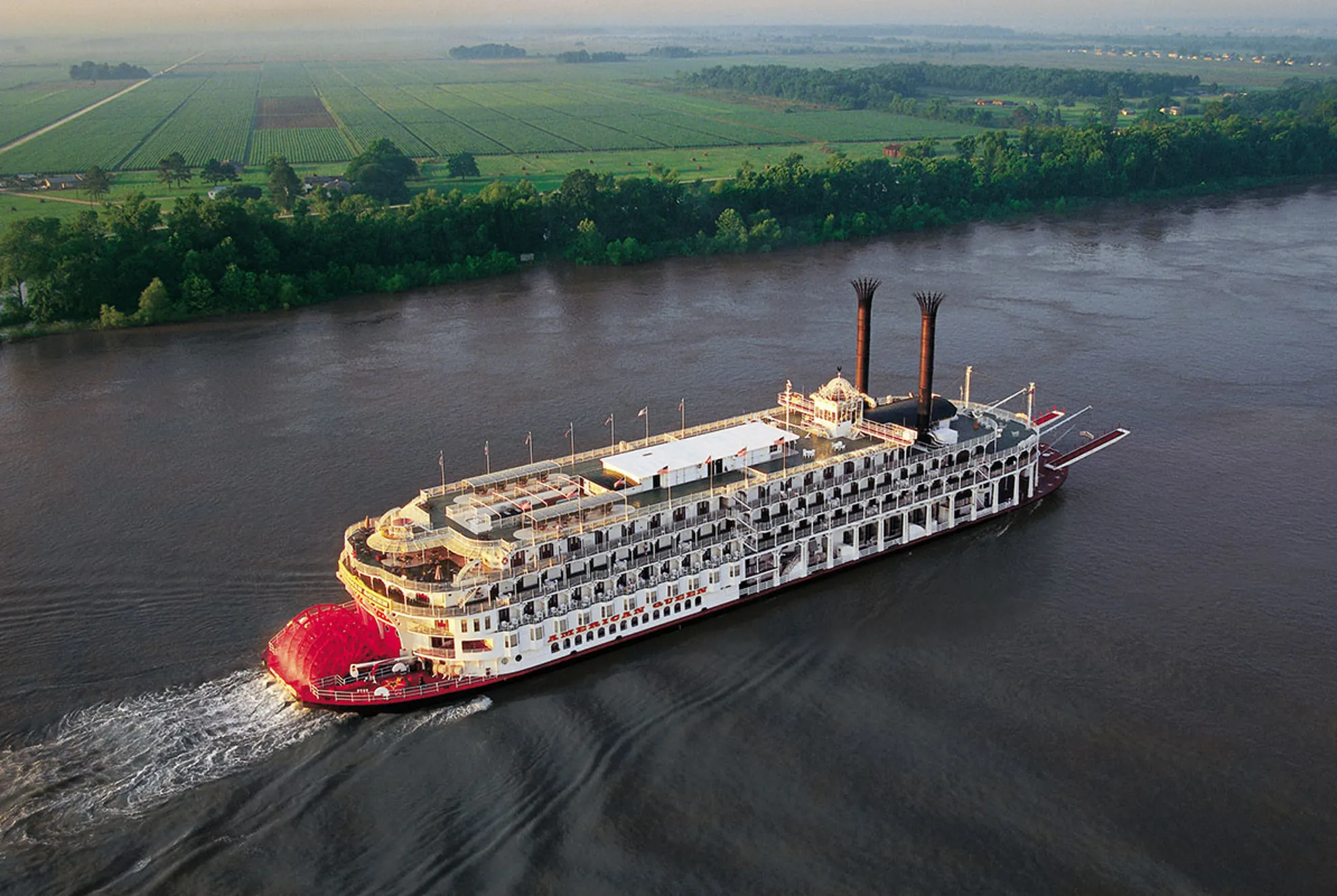
New Orleans stands on the Mississippi River in a delta where Indigenous, African, Caribbean, French, Spanish, American, and immigrant histories meet.
The French Quarter is only one chapter: Tremé preserves major threads of Black cultural history; the Garden District reflects nineteenth-century expansion; the Arts District contains leading museums; Mid-City opens toward City Park; and neighborhood restaurants, clubs, churches, and parade traditions keep local culture alive.
Plan by area, leave time for walking, and approach residential neighborhoods with respect..
New Orleans Visiting timetable
Museums, historic sites, restaurants, markets, parks, and performance venues keep independent schedules; verify each place before visiting.
New Orleans Closing Days
Hours and access may change for holidays, festivals, severe weather, Carnival parades, private events, and maintenance.
Where is Located
New Orleans, Louisiana — French Quarter, Downtown, Garden District & Arts District
How to get around New Orleans
The French Quarter, Central Business District, riverfront, and Arts District are walkable, while streetcars, RTA services, ferries, taxis, and rideshares connect more distant areas.
By Train
Amtrak and intercity coaches use New Orleans Union Passenger Terminal. From there, reach downtown by streetcar, local transit, taxi, rideshare, or a manageable walk depending on luggage and weather.
By Car
Driving is useful for outlying destinations but inconvenient in the historic core. Use legal garages or lots, watch event restrictions, and never block streetcar tracks, driveways, or parade infrastructure.
By Bus
RTA streetcars and local transit serve central neighborhoods. Check current maps, fares, accessibility details, and service alerts through official RTA information.
On Foot
Walking reveals courtyards, Creole cottages, shotgun houses, public art, and neighborhood detail. Wear comfortable shoes, expect uneven sidewalks, and remain aware of heat and storms.
Essential New Orleans experiences
Understand the French Quarter, explore Black history in Tremé, admire Garden District architecture, hear live music, visit major museums, and spend time beside the Mississippi and in City Park.
New Orleans
French Quarter & Jackson Square
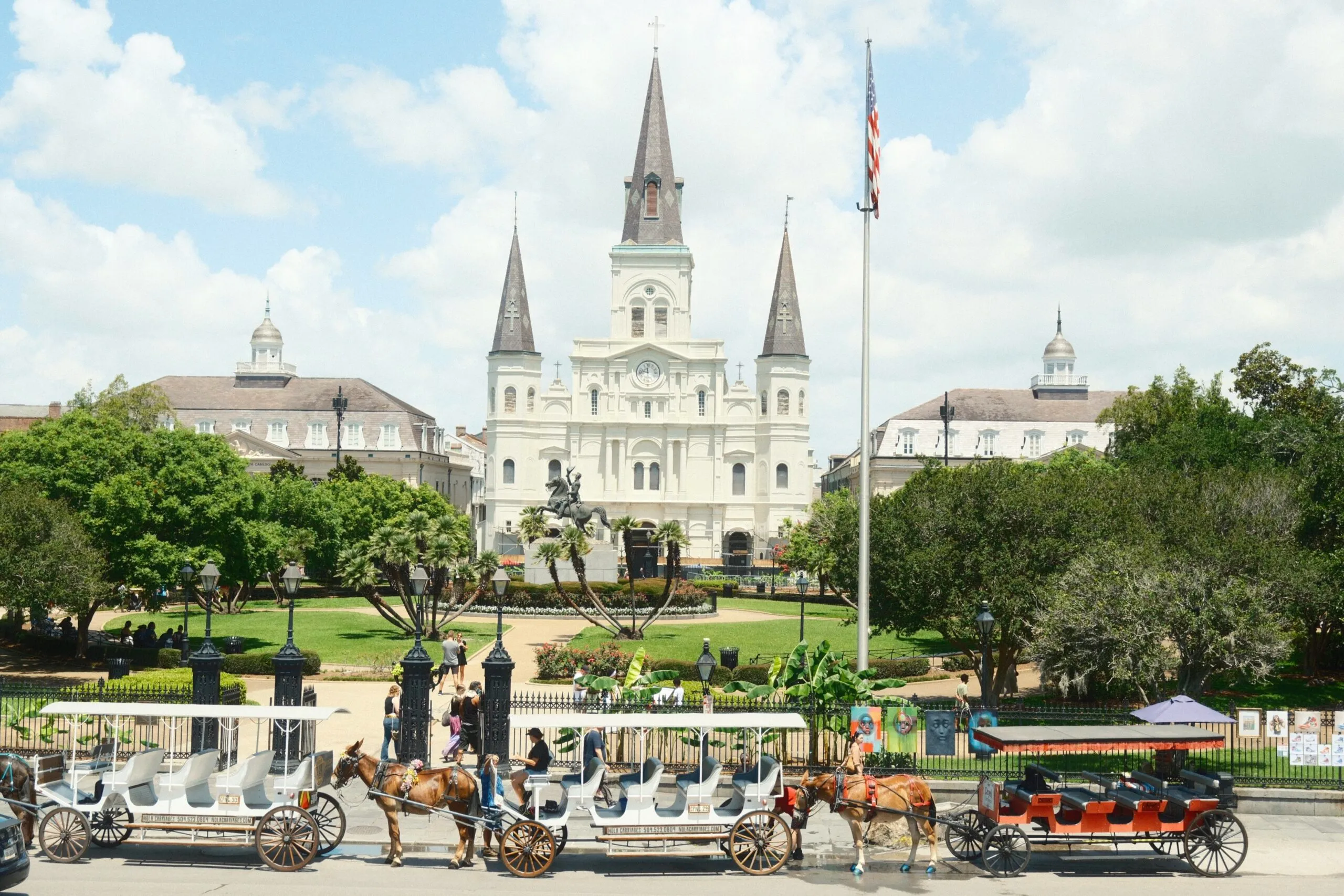
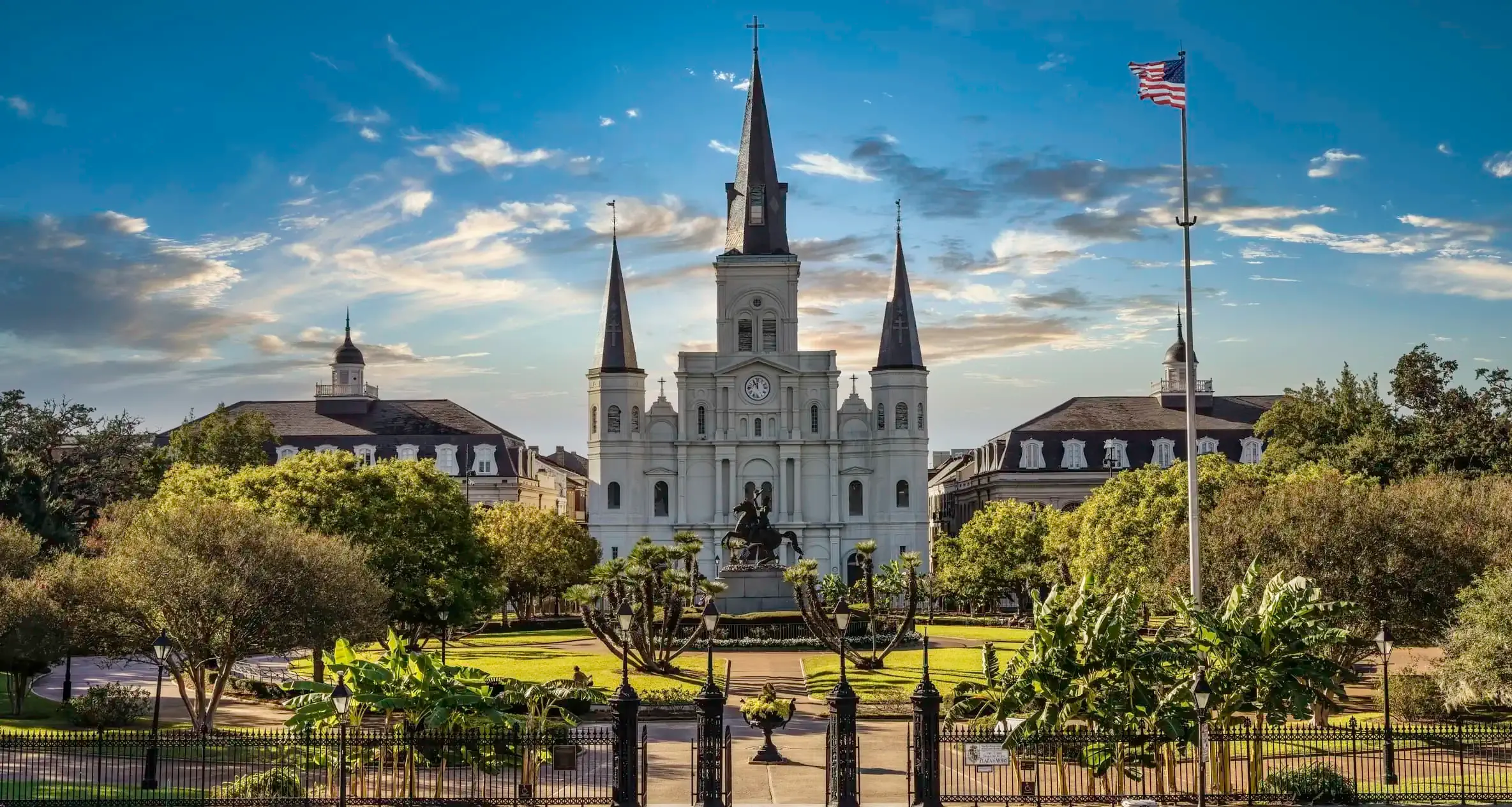
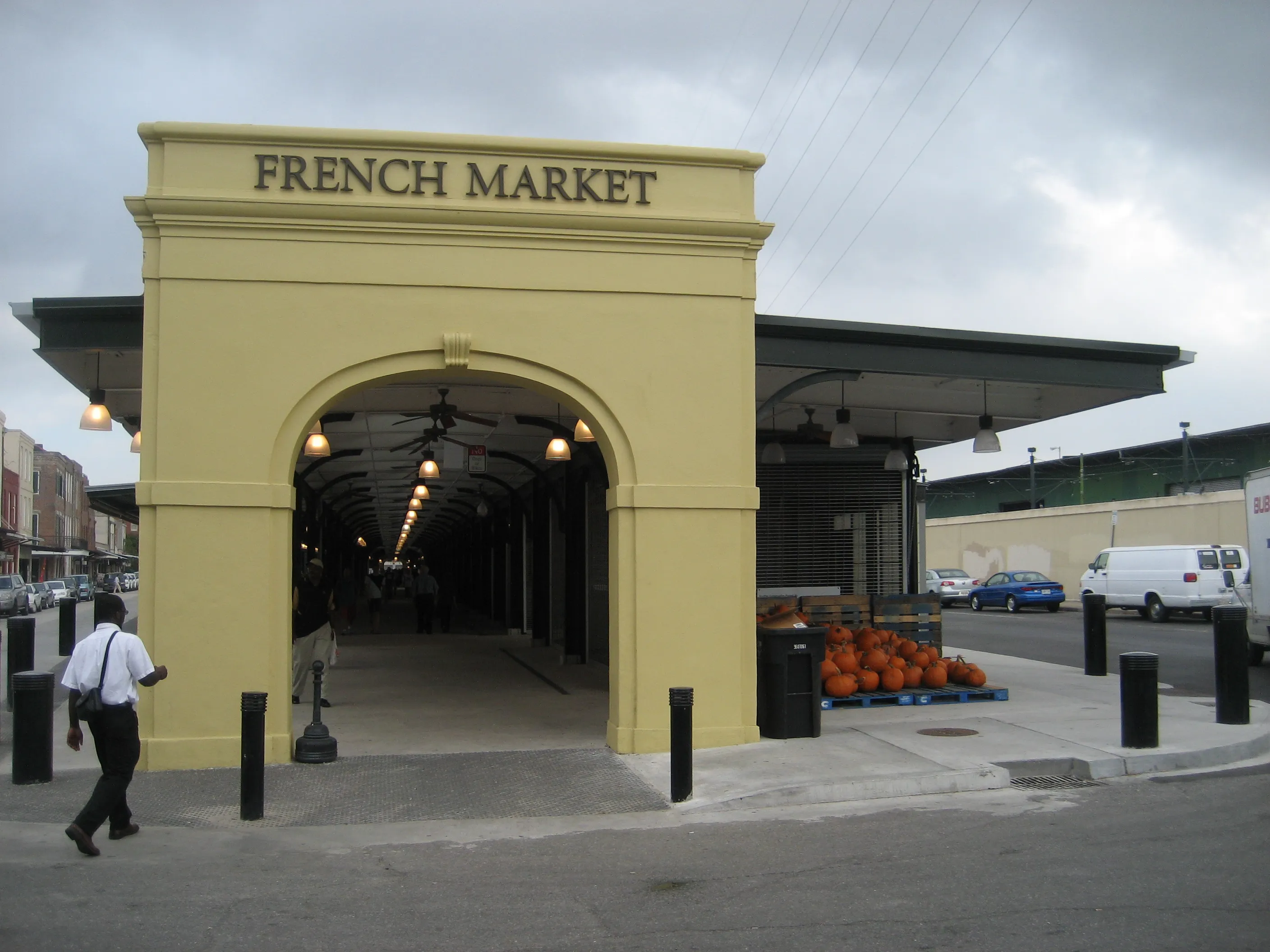
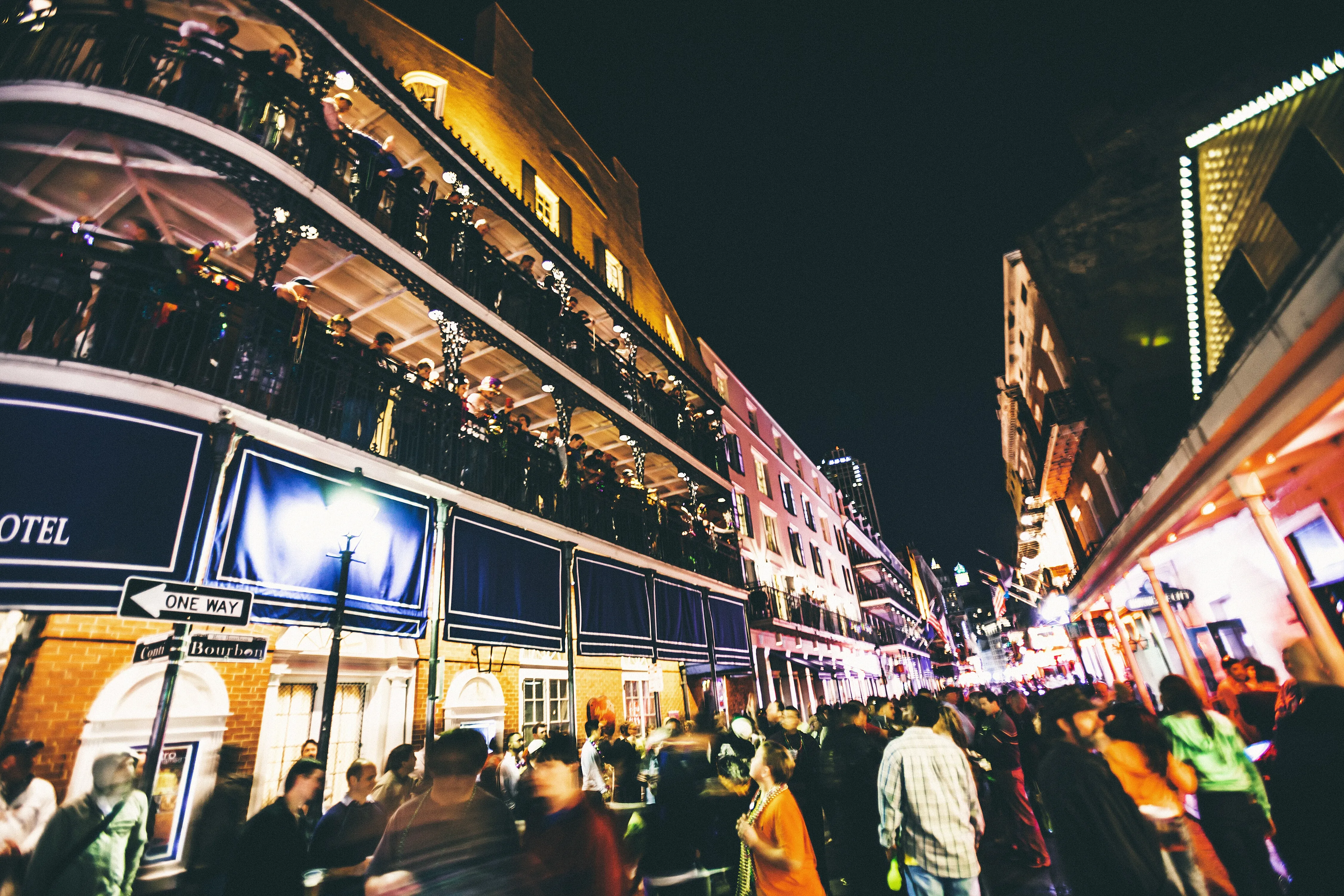
Walk the historic core around Jackson Square, St. Louis Cathedral, the Cabildo, Royal Street, the French Market, and the Mississippi levee. Look beyond Bourbon Street to understand courtyards, Creole architecture, religious history, commerce, and residential life.
Garden District & Magazine Street
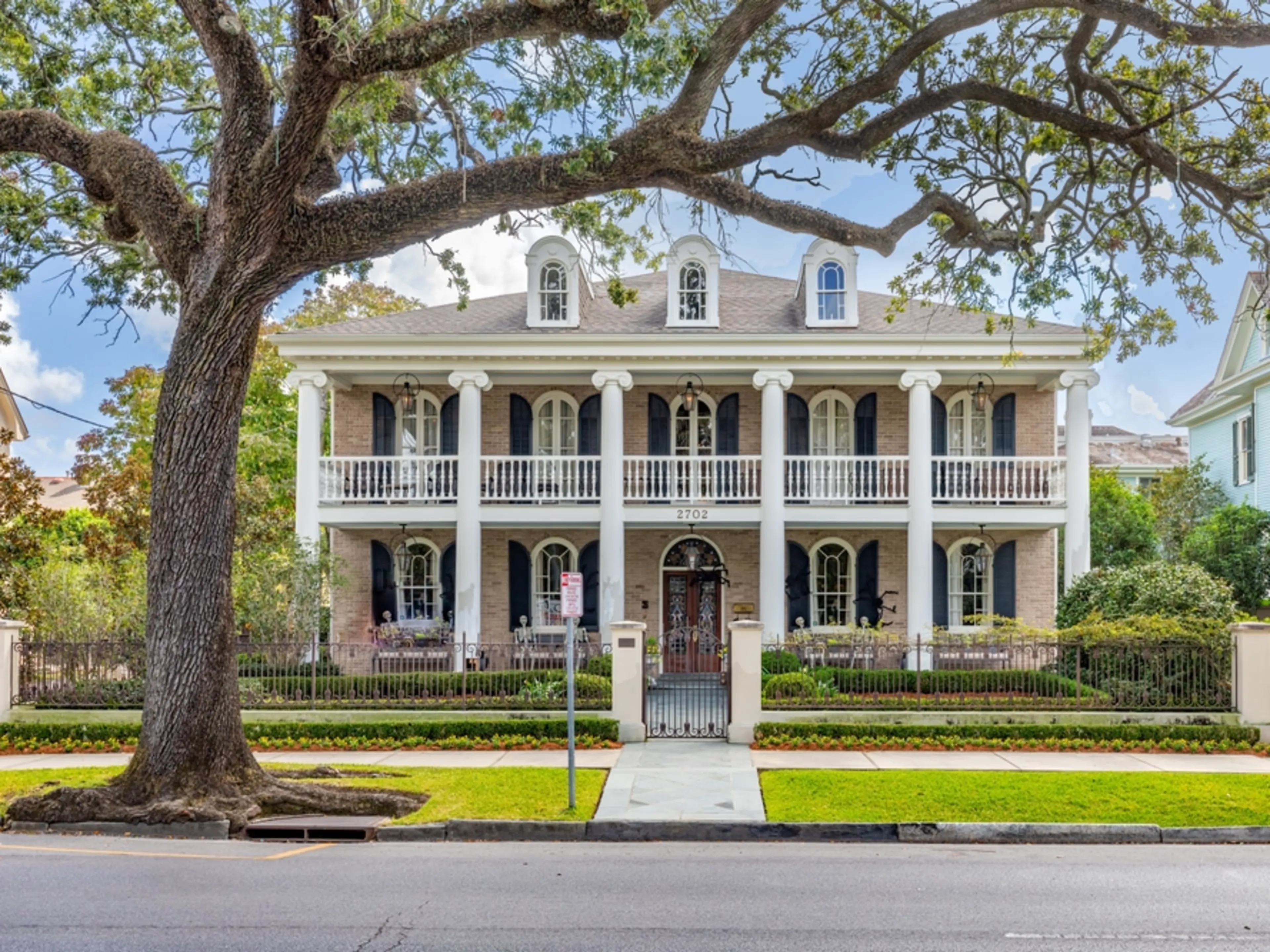
Explore broad avenues, nineteenth-century residences, live oaks, and Magazine Street. Read the area’s beauty alongside the plantation and commercial wealth behind many historic households, and respect private homes.
Arts District & National WWII Museum
The Warehouse and Arts District combines major museums, galleries, restaurants, and adapted industrial buildings. The National WWII Museum merits several hours, while nearby institutions cover Southern art and contemporary culture.
New Orleans at a glance
Quick answers about neighborhoods, timing, transport, accessibility, weather, festivals, and responsible travel.
Plan New Orleans attractions and experiences
Choose experiences that add context: museum visits, cultural institutions, live performances, neighborhood walks, river experiences, and historically grounded guided tours.
Check each provider’s inclusions, meeting point, age rules, accessibility, schedule, and cancellation policy before purchase.
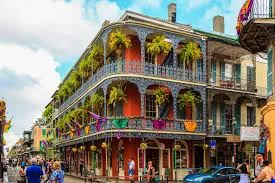
New Orleans attractions and cultural experiences
Compare current options for museums, historic sites, music, food, walking tours, river experiences, and day trips.
You can cancel free of charge up to the day before the visit.